


Hackberry Park Pollinator Habitat
WP&R Partners w/Monarch Joint Venture
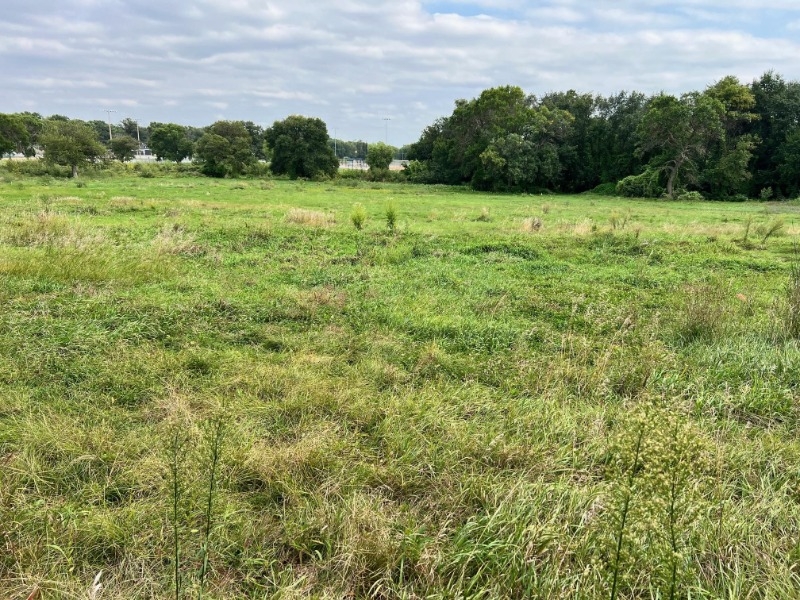

The pubic is invited to help us as we develop and grow the Hackberry Park Pollinator Habitat!
COMMUNITY POLLINATOR PLANTING EVENT
Wednesday, May 20th | 3:30pm | Hackberry Park
All are welcome to join our plug-planting event. This will be a 'hands-on' opportunity to support our local habitat project by planting a variety of native, flowering, bare-root shrubs and wildflower plugs. Here's some details:
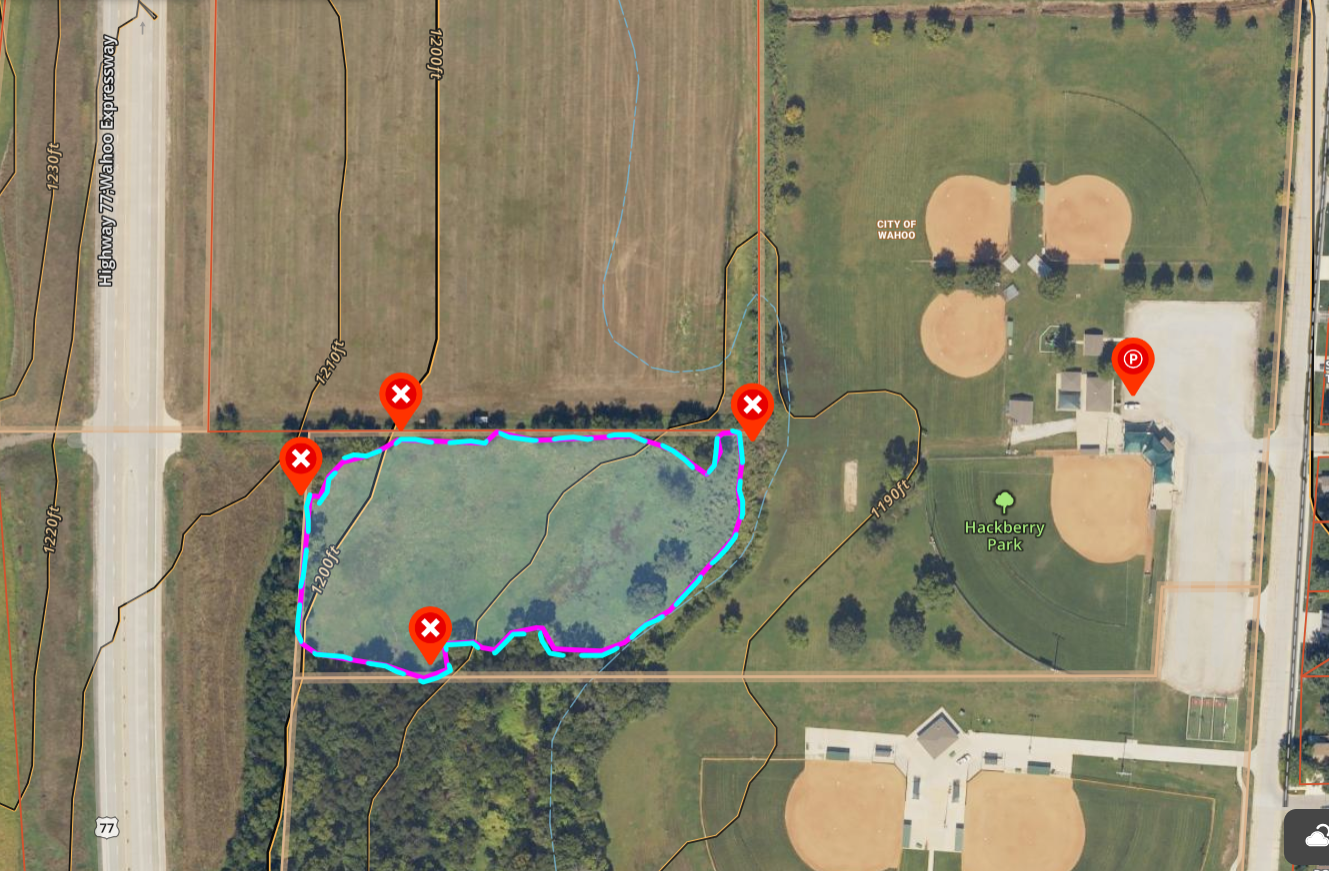
Where to Park: Hackberry Park - East Parking Lot (by Field #1) - From there you can walk to the pollinator habitat on the west side of Dry Run Creek (See map below)
What to Bring: Gloves, Bulb Auger (if you have one) or a Hand Garden Trowel, Watering Can
Growing Together: Pocket Pollinator Habitat and Community Action in Nebraska’s Monarch Priority Zone
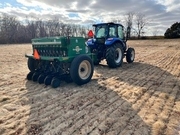
The Wahoo Parks and Recreation Department and the Monarch Joint Venture (MJV) are pleased to announce an exciting pollinator habitat project happening in Wahoo. The project site lies on over 3 acres on the west side of Hackberry Park, between the ball fields and the Highway 77/92 bypass. This area was highlighted as a place of interest for this type of project in the summer of 2025, and plans for site preparation began almost immediately. Through cover removal and suppression of existing vegetation, the site was well prepared, and dormant seeding took place on Nov. 25, 2025.
This planting will make a significant positive contribution to the environment and the local community as an educational opportunity, saving the city labor and money on maintenance, and adding aesthetic beauty. The Monarch Joint Venture collaborated with Wahoo Parks and Recreation on all site designs, and with the generous support of a grant from the Sherwood Foundation, the project came to life.
The Wahoo Parks and Recreation Department will manage and maintain the project site, while the Monarch Joint Venture will contribute by offering technical guidance. These efforts aim to create 3.25 acres of high-quality pollinator habitat to benefit bees, butterflies, birds, and overall biodiversity.
A custom seed mix was developed specifically for this project, including over 95 plant species! The majority of this seed mix is wildflowers, with a variety of flowers blooming throughout the growing season to support nectar resources for pollinators, as well as a variety of host plants such as five different species of milkweed, the host plant for the monarch caterpillar (this means that female monarch butterflies will only lay their eggs on milkweed species, and milkweed is the necessary food resource for monarch larvae). This project will not only maximize benefits for pollinators and other local wildlife but also positively impact carbon sequestration, soil health, and even water and air quality.
Patience is key to successfully establishing these kinds of projects. Those who visit the property during the 2026 growing season may see some desirable plant species blooming, but it will take time for these plants to establish themselves. With these high-diversity native seedings, we often say, in the first year, they “sleep”, focusing their energy on root growth. During the first growing season, don’t be alarmed if you see the city using a few mowing management activities, with plans to mow the site 2-3 times, cutting the vegetation no less than a foot at any given time. This will help to limit undesirable weed pressure. In the second year, they “creep,” where more and more species within the seed mix are seen. By the third year, they “leap,” and this is when the majority of the wildflowers should be expressing themselves floristically.
Approximately 1% of Nebraska’s original tallgrass prairie, an ideal habitat for pollinators, remains since Euro-American settlement, and grasslands continue to be converted to cropland or lost to non-native plants, resulting in a continued loss of breeding habitat for monarchs. According to United States Department of Agriculture (USDA) data, Nebraska led the nation in the conversion of native grasslands to cropland in 2012, but hope lies in the fact that we can re-establish or enhance these habitats in less productive, unused areas like this. This region is a key area of focus for MJV along the monarch’s migratory route.
Pollinators play a vital role in maintaining our food security and ecological balance. In fact, about 75% of the world's flowering plants and 35% of global food crops depend on pollination to reproduce, and studies have shown that pollinators can increase the yields of certain crops, including soybeans. Without pollinators, our agricultural systems would face severe challenges. Yields of pollinator-dependent crops would decline, resulting in reduced availability and increased prices for essential foods. However, pollinator populations are declining with loss and degradation of habitat across the landscape being major driving factors. Installing pollinator habitat is the number one way to positively support this declining population.
Ultimately, these pocket pollinator habitats will contribute towards a larger landscape matrix of habitat in a priority travel corridor for monarch butterflies and an array of other pollinators. The goal of these types of projects is to encourage individuals and communities to gain awareness and become advocates who take meaningful action for pollinator conservation and high-quality habitat on their own properties. The reality is the monarch butterfly could inhabit anyone's yard in this region, and everyone can pitch in to truly make a difference!
About the Monarch Joint Venture:
The Monarch Joint Venture (MJV) is a national conservation nonprofit that implements science-based conservation actions for monarch butterflies and other pollinators through four main pillars: habitat, science, education, and partnership. Conservation actions are organized in a regularly updated Monarch Conservation Implementation Framework, which serves as a guide to conservation planning for individuals, partners, and other interested stakeholders nationally. As a leader in monarch conservation, the MJV supports conservation planning and implementation efforts on a broad scale by facilitating information sharing, partnership building, and carrying out identified conservation priorities throughout the monarch’s migratory range. Learn more at monarchjointventure.org.